Aries Plants Redwork: A Versatile Embroidery Design for Small Business Branding
First Impression: Rustic Charm Meets Clear Brand Potential
As an embroidery designer who’s digitized and stitched hundreds of designs for small businesses—from neighborhood bakeries to indie florists—I immediately recognized Aries Plants Redwork as a quietly confident choice. The title suggests botanical simplicity with astrological warmth, and the “redwork” descriptor signals classic hand-stitched tradition—clean lines, bold outlines, and minimal color layers. It doesn’t scream “trendy,” but it *does* feel intentional, grounded, and authentically handmade. That’s gold for brands that want to signal care, craftsmanship, and approachability without sacrificing polish.
Real-World Performance Across Merchandise Types
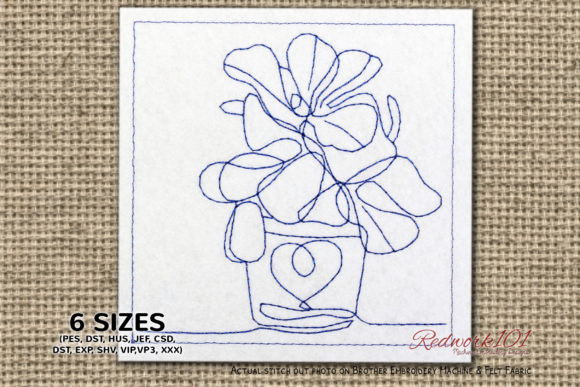
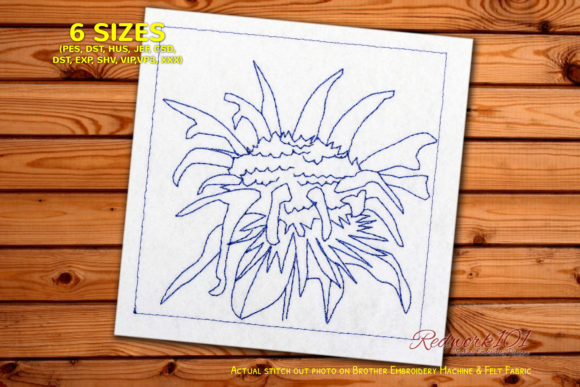
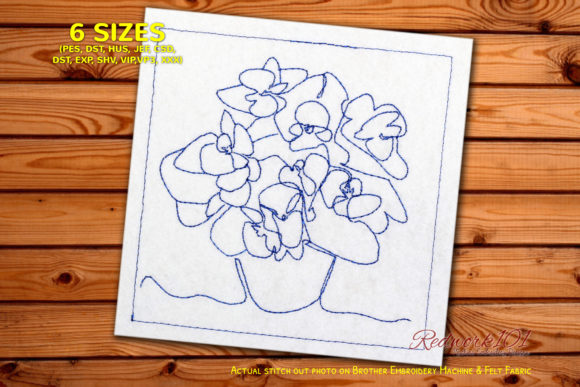
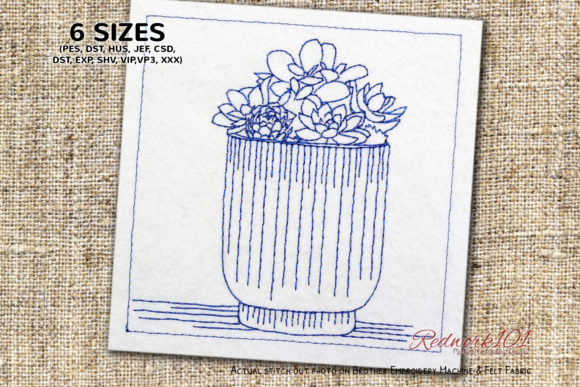
Aries Plants Redwork shines where many floral embroidery files falter: in functional branding. On embroidered patches—whether sewn onto denim aprons at a craft studio or ironed onto tote bags for a local café—it reads clearly at 2.5–3 inches wide. Its open structure (especially with the optional Box Stitch omitted) avoids overcrowding, letting the plant motif breathe on textured fabrics like canvas, twill, or linen-blend uniforms.
For cap embroidery, the design holds up well on front panels when sized between 2" and 2.25"—just avoid shrinking it below 1.75", where fine stem details may blur. On sleeve accents or chest logos for work shirts, its vertical rhythm complements garment seams naturally. And because it belongs to the Single Flowers category, it avoids visual competition with busy patterns—making it ideal for boutique merchandise where subtlety builds sophistication.
Small business owners using Aries Plants Redwork for product packaging accents—think stitched labels on ceramic mugs, seed packet tags, or pet treat bags—will appreciate how it elevates perceived value. Unlike dense, multi-color motifs, this embroidery file communicates quality through restraint. Customers associate clean redwork with heirloom techniques and attention to detail—subtly reinforcing trust in your handmade product.
Where to Use It Thoughtfully (and Where to Pause)
While versatile, Aries Plants Redwork demands mindful placement. Avoid applying it directly to highly curved surfaces—like the rounded crown of a low-profile cap—without re-digitizing for stitch laydown. Also, skip ultra-small patch sizes (<1.5") unless you’ve tested the design first: delicate leaf tips and narrow stems can vanish or feather on dense stitching.
Dark uniforms require extra attention to thread color contrast. Since the description notes the outer box color is often different—and optional—confirm whether your chosen thread palette delivers legibility against charcoal, navy, or black fabric. Likewise, high-stitch-density versions (if offered) may not hold up through frequent washing on aprons or staff uniforms; prioritize balanced density over decorative fill for long-term durability.
Fabric texture matters. On nubby organic cotton or heavily brushed fleece, consider adding a tear-away + cut-away stabilizer combo to prevent puckering around stem outlines. And if your brand uses tight-knit performance fabrics (common in modern workwear), test stitch tension and underlay settings before bulk production.
How It Strengthens Brand Identity and Customer Connection
Unlike generic clipart florals, Aries Plants Redwork carries quiet narrative weight. “Aries” hints at energy, growth, and initiative—perfect for studios, wellness brands, or garden-centered businesses. Paired with “Plants,” it grounds the symbolism in tangible, earthy authenticity. That duality strengthens brand identity: it’s memorable enough for recognition, yet flexible enough to scale across tote bag designs, cap embroidery, and printable mockups for Etsy listings.
Customers respond to consistency—and Aries Plants Redwork delivers visual continuity across touchpoints. Use it as a chest logo on staff aprons, a sleeve detail on delivery bags, and a subtle tag on product packaging. That repetition builds subconscious familiarity, increasing perceived professionalism and purchase confidence. For handmade brands especially, this design doesn’t shout—it invites closer look, encouraging engagement with your story.
Practical Designer Notes for Commercial Use
Before committing to production, run these checks:
- Test in black and white first—verify outline clarity and spacing without color distraction.
- Check small-patch viability by stitching a 2" version on your target fabric; assess stem definition and leaf separation.
- Review thread color contrast across your uniform palette—not just on white fabric.
- Inspect spacing between elements; tight gaps between stems and leaves can close up during stitching on stretchy or loosely woven textiles.
- Confirm hoop size compatibility with your commercial embroidery machine—some versions may require larger hoops than standard caps allow.
- Always test on real fabric with your intended stabilizer stack before client approval.
- Create a printable mockup alongside your other design assets—show clients how Aries Plants Redwork integrates into their full brand system.
- Compare it beside existing logos or icons to ensure visual harmony—not competition—in your asset library.
- Verify commercial licensing before using Aries Plants Redwork on merchandise for resale. Since the description mentions the Box Stitch is optional and outer box colors vary, confirm whether your license permits modification and redistribution as part of custom apparel or embroidered patch production.
Remember: a strong machine embroidery design isn’t just about aesthetics—it’s about reliability, scalability, and silent storytelling. Aries Plants Redwork earns its place in your toolkit not because it’s flashy, but because it works—consistently, respectfully, and beautifully—for small business merch that means something.