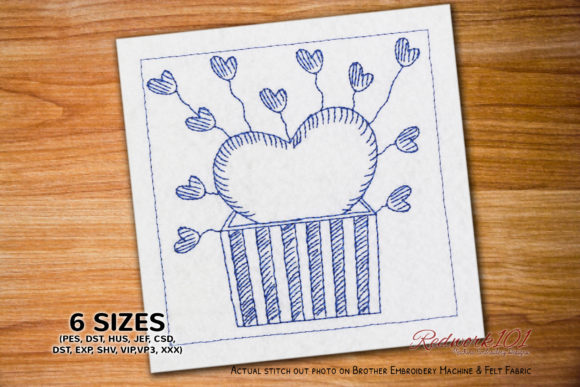
Heart in a Box Lineart
A Thoughtful, Versatile Embroidery Design for Meaningful Gifting
As an embroidery designer who’s spent over a decade creating and testing designs for small shops, Etsy sellers, and custom gift studios, I approached Heart in a Box Lineart with quiet curiosity—not just as another Valentine S Day motif, but as a potential anchor design for year-round personalized gifting. What stood out immediately was its gentle balance: clean lineart structure with unmistakable warmth, minimal yet emotionally resonant. It doesn’t shout—it invites. That subtle pause before the stitch begins? That’s where connection starts.
First Impressions: Sweet, Timeless, and Quietly Elegant
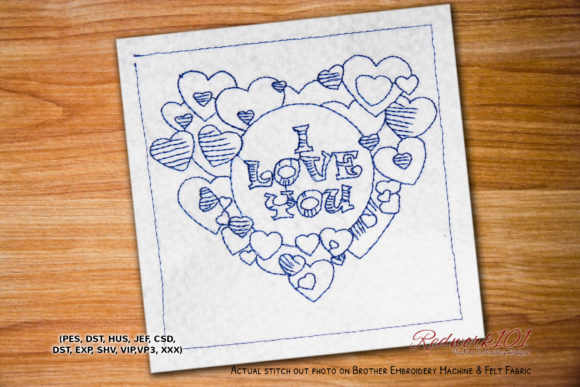
The design reads as both classic and contemporary—no excessive flourishes, no trendy embellishments, just confident linework that traces the shape of a heart nestled inside a softly squared frame. It feels handmade without looking rough, romantic without leaning into cliché, and seasonal without being locked to February. For baby embroidery, it suggests tenderness; for wedding gifts, quiet devotion; for nursery decor or kitchen towels, understated charm. Its emotional appeal lies in restraint—the box isn’t confining; it’s cradling. That nuance matters deeply when you’re stitching something meant to be kept, not just given.
Where Heart in a Box Lineart Truly Shines
This machine embroidery design adapts beautifully across product categories—especially when personalization is part of the story:
- Baby embroidery: Ideal for onesies, burp cloths, and heirloom blankets—pair it with a monogrammed initial or birth date nearby for a keepsake that grows with the child.
- Wedding gifts & family keepsakes: Stitch it onto linen pillow covers, wooden keepsake boxes (with fabric lining), or framed embroidery hoops for couples starting their life together.
- Embroidered towel & kitchen textiles: Works exceptionally well on cotton or linen towels—clean lines hold up after repeated washing, and the open composition avoids bulkiness.
- Nursery decor & tote bags: The lineart style photographs crisply on light backgrounds, making it highly shareable for Instagram or Etsy listings—critical for small shop product visibility.
- Aprons, pillow covers, and custom tote bags: Its scale flexibility means it can anchor a corner of a full-coverage apron or serve as a subtle focal point on a minimalist canvas bag.
Use With Care: Smart Placement Matters
Like any strong lineart design, Heart in a Box Lineart rewards thoughtful execution—and reveals limitations when rushed. Avoid placing it on:
- Stretchy baby clothes (like knit bodysuits) without proper stabilizer and test stitching—fine lines can distort easily.
- Textured or napped fabrics (terry cloth, fleece, heavy bouclé) where delicate outlines may blur or disappear.
- Curved surfaces (mugs, rounded pillows) unless digitized with contour compensation—this file is flat-surface optimized.
- Dark fabric without contrast testing—the lineart relies on thread color clarity; always mock up in both light and dark thread on your target fabric.
- Products requiring frequent washing (like dish towels) unless using high-retention thread and secure underlay—check stitch density before production runs.
Why It Elevates Your Handmade Product’s Perceived Value
Customers don’t just buy embroidered items—they buy intention. Heart in a Box Lineart signals care in its simplicity. When stitched cleanly on a premium pillow cover or blanket, it reads as intentional, not generic. That perception directly supports higher pricing confidence for Etsy sellers and boutique gift shops. It also strengthens customer trust: buyers recognize craftsmanship in balanced spacing, smooth curves, and consistent line weight—even if they can’t name why.
For product photography? It’s a dream. The open negative space around the heart allows natural light to wrap the design, and the box frame creates a built-in visual boundary—ideal for flat lays and lifestyle shots. That translates to better engagement, longer dwell time, and stronger conversion on digital listings.
Practical Embroidery Notes Before You Stitch
Before adding Heart in a Box Lineart to your next batch of custom embroidery orders, take these steps:
- Always test on scrap fabric matching your final product’s weight, texture, and stretch.
- Confirm hoop size compatibility—lineart designs can sometimes run larger than expected due to framing margins.
- Review thread color contrast, especially if offering multiple thread options. A soft blush heart on ivory linen reads differently than navy on charcoal.
- Choose stabilizer wisely: lightweight cutaway for stable wovens, tear-away for towels, and adhesive + medium-weight cutaway for knits.
- Compare light/dark fabric mockups early—some digital embroidery files render differently depending on background tone.
- Inspect small details post-stitch: corners of the box and heart curves should remain crisp—not feathered or broken.
- Verify commercial licensing before selling finished products. Since this is a digital embroidery file intended for resale use, confirm permissions align with your business model.
A Design That Fits Quietly Into Many Stories
Heart in a Box Lineart won’t dominate a collection—but it will anchor it. It’s the kind of embroidery file that earns repeat requests from customers who value meaning over flash, and it fits seamlessly into workflows for baby product creators, wedding gift designers, and digital product sellers alike. Whether stitched on a hospital blanket for a newborn, a linen napkin set for a first anniversary, or a custom tote for a local craft fair, it carries emotional weight without demanding attention.
For makers who believe personalized gifts should feel like quiet promises—this design delivers. Just remember: its strength lies not in complexity, but in clarity. Stitch it with care, pair it with purpose, and let the heart speak for itself.