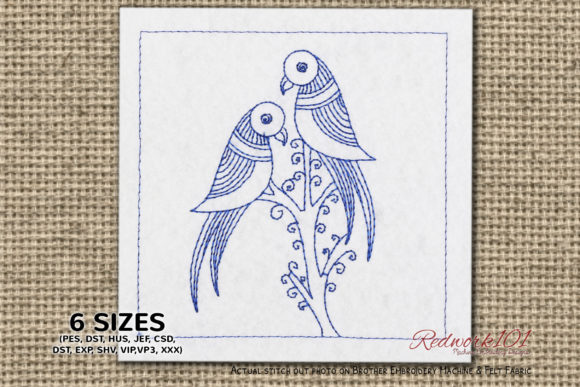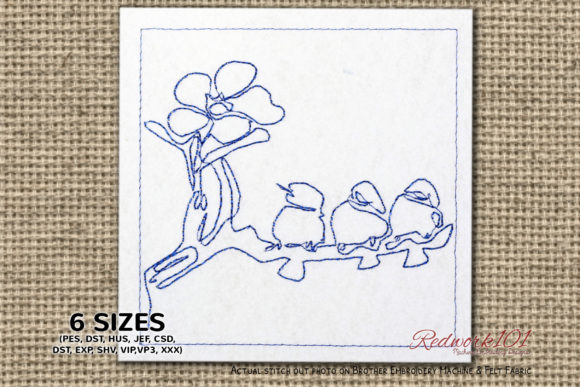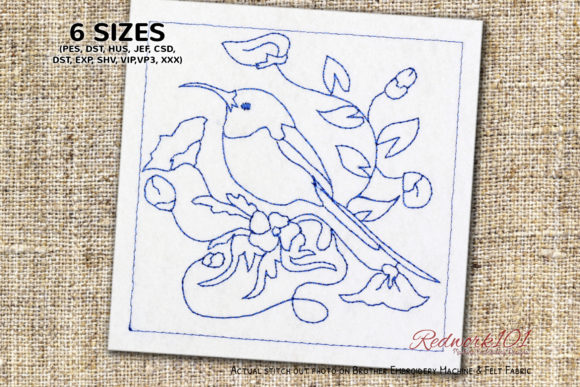
Baby Bird is Chirping in the Nest
First Impression: Sweet, Story-Driven, and Booth-Ready
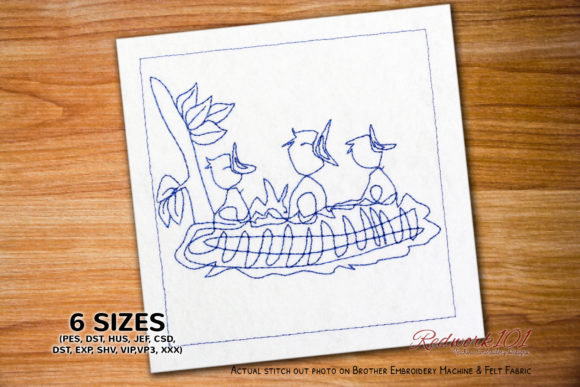
As an embroidery designer who’s curated over 200 craft fair booths—from Portland pop-ups to Nashville handmade markets—I can tell you Baby Bird is Chirping in the Nest lands with immediate warmth. It’s not bold or graphic; it’s tender, narrative-driven, and quietly confident. Think “farmhouse nursery meets modern botanical charm”—soft enough for baby shower gifts, detailed enough for boutique tea towels, and sweet enough to stop a shopper mid-aisle. The title alone sparks curiosity and emotional resonance: chirping implies life, care, and gentle movement—qualities customers subconsciously associate with handmade quality.
Where This Design Shines on Craft Fair Products
Baby Bird is Chirping in the Nest excels as a small-to-medium focal design—not a full-cover motif, but a carefully placed centerpiece that elevates everyday items. On tote bag designs, it sings best centered on the lower third of a natural canvas or oatmeal linen tote—visible without overwhelming. For apron embroidery, position it just above the pocket: approachable, charming, and functional (no stitching near seams or ties). As tea towel embroidery, it holds up beautifully on medium-weight cotton—weave texture adds organic depth, and the nesting motif complements kitchen warmth.
This machine embroidery design also converts exceptionally well into embroidered patches. With its clear silhouette and contained composition, it stitches cleanly at 3–4 inches wide—ideal for iron-on or sew-on applications on denim jackets, backpacks, or baby onesies. On caps, proceed with caution: the nest’s curves and bird’s beak may distort on high-crown curved surfaces unless digitized with proper underlay and reduced density. For pillow covers and small pouches, it reads perfectly at 3.5"–4.5"—giving handmade products instant personality without sacrificing clarity.
What Buyers Notice—and Why They Reach Out
In a crowded booth, Baby Bird is Chirping in the Nest stands out because it tells a micro-story. Shoppers don’t just see a bird—they see safety, new beginnings, quiet joy. That emotional hook drives engagement: parents pause, gift-givers snap photos, interior lovers imagine it on a nursery shelf. It feels giftable—not generic, not trendy, but timeless enough for Etsy listings and small shop products alike. Paired with neutral fabrics and muted thread colors (think sage, soft terracotta, oat, or charcoal), it reads premium—even when stitched on budget-friendly materials.
Photography & Online Appeal
This embroidery file photographs exceptionally well for printable mockups and Etsy listings. Its balanced negative space around the nest allows clean cropping, and the implied motion (“chirping”) invites lifestyle shots—nest beside a ceramic mug, perched on a folded linen napkin, or stitched onto a market bag slung over a wooden stool. Avoid ultra-bright white backgrounds; warm off-whites or textured backdrops reinforce its handmade authenticity.
Production Practicality: What You Need to Know Before Stitching
Baby Bird is Chirping in the Nest is highly repeatable for batch production—but only if you respect its nuances. The description notes the Box Stitch is optional, and that the outer box color often differs unless integral to the design. That means: always confirm whether the box is decorative framing or structural. If used as framing, test contrast—dark thread on dark fabric will vanish; light thread on light fabric loses definition. Also, check stitch density: nests with layered twigs or tightly packed feathers can cause puckering on lightweight cotton or textured towels. Use cutaway stabilizer for structured items (totes, aprons) and tear-away for tea towels and pouches.
Tiny details—like the bird’s open beak or individual nest strands—may blur on dense fabrics or at sizes under 2.75". Skip using this design on curved cap fronts unless you’ve tested it on scrap fabric first. Likewise, avoid dark or heavily napped fabrics (like fleece or thick terry) unless you’ve verified thread coverage and hoop stability. Remember: commercial embroidery success starts with one real mockup—not just a digital preview.
Design Assets & Licensing Essentials
If you’re an Etsy seller or digital embroidery file creator, verify licensing before offering Baby Bird is Chirping in the Nest as a standalone download. Does it include commercial rights? Are there usage limits? And crucially—does the file package include alternate versions (with/without box, multiple sizes, PES/JEF/EXP formats)? These details impact your ability to scale as a small shop product or bundle it with coordinating Birds-themed designs.
Booth Strategy: How to Maximize Its Impact
At your craft fair table, let Baby Bird is Chirping in the Nest anchor a cohesive mini-collection: pair embroidered tea towels with matching linen pouches and a single framed patch sample. Display it across three textures—smooth cotton, slubbed linen, and brushed twill—to show versatility. Keep thread colors consistent across pieces (e.g., all sage-green nests with cream birds) to strengthen brand consistency. Add a subtle chalkboard sign: “New Nesting Collection—Hand-Embroidered with Care.” That phrase reinforces value, story, and handmade quality—all in six words.
Final Designer Notes: Test, Compare, Confirm
Before committing to 50 tote bags or listing on Etsy: test the design on scrap fabric matching your final product; check thread contrast under both daylight and booth lighting; review spacing between nest elements and outer edge; confirm hoop size compatibility (especially for curved or narrow items); inspect stitch density for potential puckering; use the right stabilizer for each fabric type; create at least one real-world mockup; compare how it looks on light vs. dark fabric swatches; and confirm commercial licensing terms if reselling finished products or digital files. When those boxes are checked, Baby Bird is Chirping in the Nest isn’t just another embroidery file—it’s a reliable, emotionally resonant, craft fair–proven handmade product ready to fly off your table.