Pine Tree Lineart Design
First Impression: A Bold and Minimalist Forest Accent
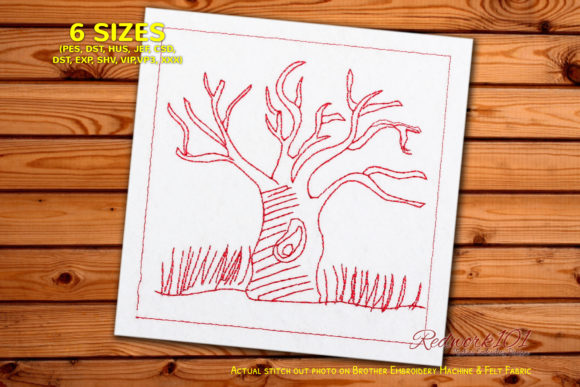
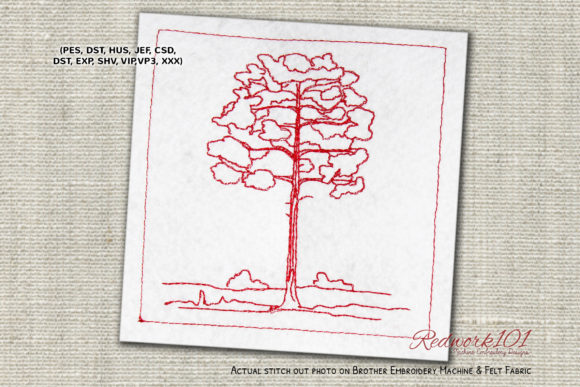
The Pine Tree Lineart Design immediately strikes a balance between simplicity and visual interest. Its clean, outlined form suggests a modern, minimalist aesthetic that fits well with farmhouse and rustic themes. The design feels premium and intentional, making it a strong contender for handmade products that aim to stand out in a craft fair setting.
Design Versatility: From Tote Bags to Embroidered Patches
The Pine Tree Lineart Design performs exceptionally well across a range of craft fair products. On tote bags, it adds a subtle yet striking focal point that complements neutral or earthy tones. For aprons, the design can be used as a small accent or scaled up to become a central motif, depending on the desired look. Tea towel embroidery benefits from its linearity, allowing the design to sit gracefully without overwhelming the fabric.
When applied to embroidered patches, the design becomes a versatile emblem that can be sewn onto caps, pouches, or even fabric scraps. It also works well as a decorative element on pillow covers and market bags, where its clean lines add an elegant touch. The design’s adaptability makes it ideal for both small shop products and commercial embroidery applications.
Visual Appeal and Customer Engagement
At a craft fair booth, the Pine Tree Lineart Design draws attention due to its clear, recognizable shape. Its minimalistic nature ensures it stands out against busy or overly detailed designs. Customers are likely to notice it quickly, especially when displayed on tote bags or aprons that are commonly worn and viewed at eye level.
The design's visual appeal is further enhanced by its ability to photograph well for online listings. Its clean lines and defined shapes translate well into digital mockups, making it easy for Etsy sellers and digital embroidery file creators to showcase their finished products effectively.
Practical Considerations for Production
Before moving forward with production, several practical considerations should be addressed. First, the design’s stitch density needs to be evaluated. Dense stitch areas may affect the overall look and feel of the finished product, particularly on textured fabrics like towels or thick materials. Testing the design on scrap fabric is essential to ensure clarity and consistency.
The use of thread colors plays a crucial role in the design’s visibility. The outer box, if included, offers an opportunity to create contrast, but it’s optional. Sellers should confirm the thread color choices based on the fabric they plan to use. Dark fabrics may require brighter threads to maintain design clarity, while lighter fabrics offer more flexibility.
Hoop size and stabilizer selection are also important factors. The design’s scale and complexity will determine the appropriate hoop size for machine embroidery. Using the right stabilizer ensures the design remains flat and secure during stitching, preventing puckering or distortion.
Design Notes for Craft Fair Sellers
For small shop product creators, the Pine Tree Lineart Design offers a great opportunity to create repeatable items that can be sold in bulk. Its simplicity allows for batch production without sacrificing quality. However, care must be taken with small details and lettering, which may not be visible at smaller sizes. This makes it ideal for larger products like tote bags or aprons rather than tiny items like fabric pouches.
Sellers should also consider how the design looks on different fabric textures. Curved surfaces like caps may require additional testing to ensure the design remains crisp and clear. For dark fabrics, using high-contrast thread colors is recommended to maintain visual impact.
Booth Display and Brand Consistency
When displayed in a booth, the Pine Tree Lineart Design should be positioned to highlight its clean, modern look. Pairing it with other forest-themed designs can create a cohesive brand identity, especially for boutique makers and creative entrepreneurs looking to build a consistent aesthetic.
Creating at least one real mockup before production helps ensure the design translates well from digital to physical. This step is especially important for Etsy sellers and digital embroidery file creators who rely on accurate previews to attract buyers.
Final Thoughts: A Reliable Choice for Handmade Products
The Pine Tree Lineart Design is a versatile and visually appealing choice for craft fair sellers and handmade product creators. Its clean lines and minimalist style make it suitable for a wide range of products, from tote bags to embroidered patches. With careful consideration of fabric, thread color, and stabilizer use, this design can be produced consistently and sold effectively.
As an experienced embroidery designer, I recommend testing the design on scrap fabric, confirming hoop size, and ensuring thread contrast before final production. By doing so, you’ll maximize the design’s potential and create products that resonate with customers looking for quality, style, and value in their handmade purchases.